Transforming Retail at the Edge
To compete with online shopping, retailers have to bring the advantages of technology to their in-store experience. However, that’s easier said than done.
Read Now
No items found.
2022-06-29

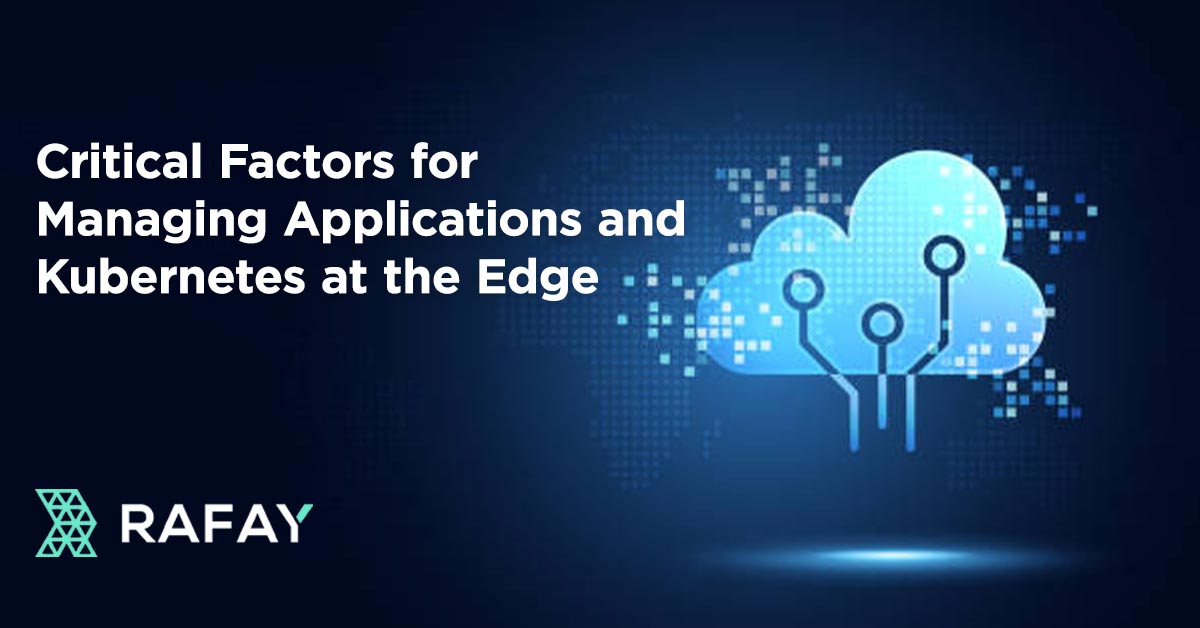
Business is being driven to the network’s edge because of several advantages it provides. Autonomous vehicles, remote asset monitoring, in-hospital patient monitoring, and real-time defect detection in factories are just a few examples of business applications that leverage the responsive performance, scalability, and reduced latency found at the network edge.As 5G wireless finds ubiquity, and as more connected devices on the Internet of Things (IoT) begin using wireless communications, data volumes and data rates are also increasing. While these two factors are somewhat independent, together they increase the demand for applications on the edge by orders of magnitude.This demand for speed means that the old model for a central database slowly reacting to application queries from a variety of sources is now being replaced with both applications and data located at the network edge where they can respond quickly to a vast flow of inputs. Containerized, microservice applications that support this flow must be where they can handle it, which means that they, too, must be at the edge.Kubernetes is the industry’s tool of choice for container orchestration, however, when moving containers to the edge, additional Kubernetes management complications appear. Deployment, security, and fleet management processes all become exponentially more complex given the number of clusters that need to be managed is now measured by the hundreds.With these limitations and challenges in mind, there are several Kubernetes management considerations that are important when operating at the edge to ensure your applications are indeed cutting-edge and not bleeding-edge:
The edge is often thought of as being a “serverless” computing environment, but that belief doesn’t reflect reality. What makes the edge effective is that it moves the servers and applications closer to the place where the need exists. Placing the servers, along with their applications and data, at the edge as well is a matter of pure efficiency and results in better performance and better user experiences, and we’re particularly seeing this trend in retail and manufacturing verticals.With that efficiency comes a much higher level of management overhead given the number of containers and clusters that need to be managed. Taking the above steps can make that complex environment efficient and secure and unlock all the promises edge applications promote.
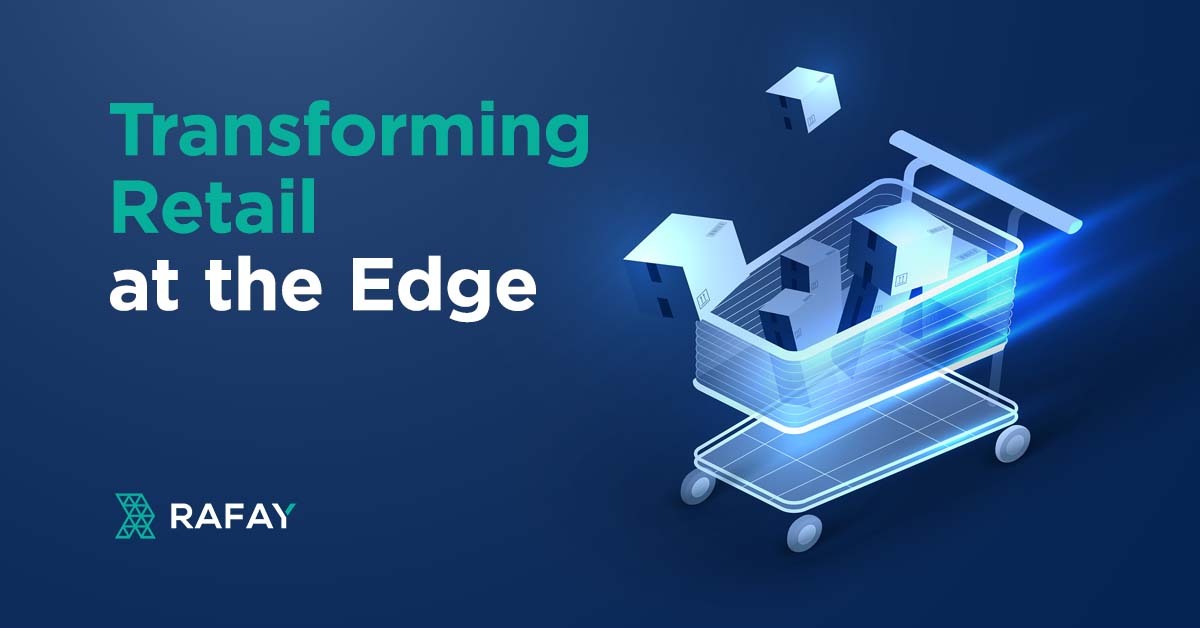
To compete with online shopping, retailers have to bring the advantages of technology to their in-store experience. However, that’s easier said than done.
Read Now

As deployment of 5G networks continues to expand and become more widespread globally, technologies such as AWS Wavelength are an integral part of supporting applications on the edge of these networks. First launched in August of 2020, AWS Wavelength allows solution providers to use AWS compute and storage services, including Amazon EKS clusters, within supported carrier 5G networks to build and run high performance and low latency applications.
Read Now